by Keisha Centa Putri
Many people are sure to be confused the first time they hear an expression like “Break a leg!” Literally, a phrase like that certainly sounds strange, even creepy. Does it mean the person you’re talking to is telling you to break someone’s leg? Of course not!
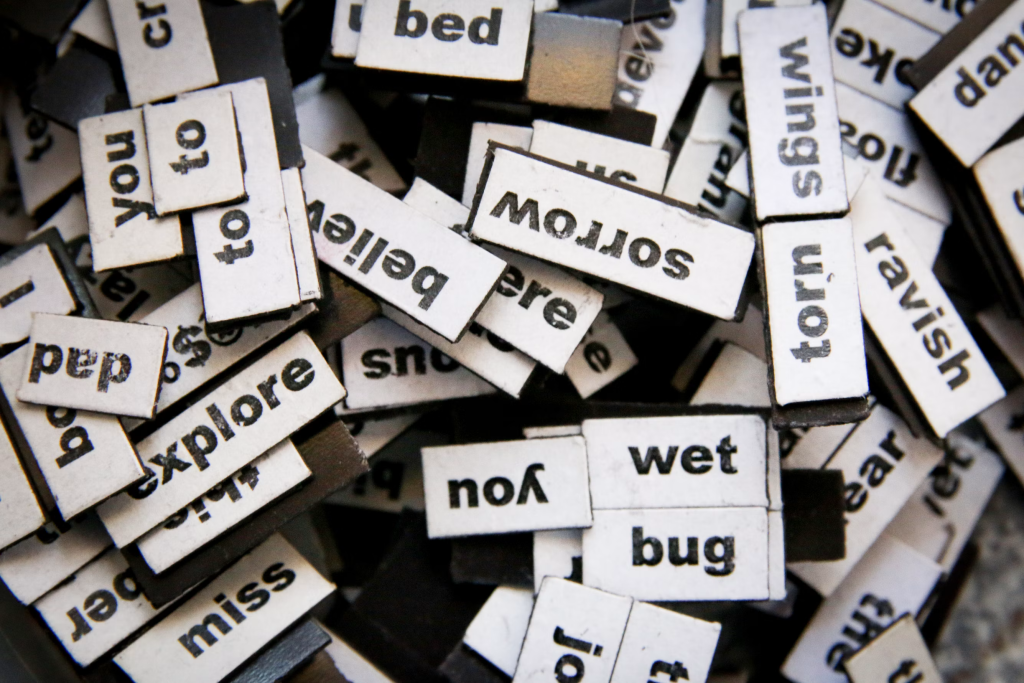
Expressions like “Break a leg!” are called idioms, phrases whose meaning cannot be translated word for word. Here are some examples of idioms you can use:
- “Break a leg!” which means “good luck,” and it’s commonly used in theater culture. Performers say it to each other before going on stage.
- “Cat got your tongue?” is used to tease someone who suddenly won’t speak or is at a loss for words.
- “Spill the beans!” used to ask someone to reveal a secret or specific information. A more commonly used alternative with a similar meaning is “spill the tea.”
- “Beat around the bush!” means to avoid talking about the main point.
Idioms like these appear very frequently in everyday conversation, so it’s crucial to understand their meanings to avoid misinterpreting the message from the person you’re talking to.

Although they are now commonly used in everyday conversation, idioms actually originate from various cultures, traditions, contexts, or phenomena—which is why their meanings can seem unrelated to the words themselves. For example, the slang phrase “break the ice” comes from a 16th-century maritime metaphor in which a special ship would break through the ice to clear a path for other vessels. Over time, slang terms like this have become commonly used, even though few people know their origins, making them a natural part of everyday life, especially when used in the right context and at the right moment.
Idioms can add color to everyday communication, but they need to be understood by context instead of just memorizing or translated literally. With consistent practice and exposure, you will become more comfortable using them naturally and confidently in real-life conversations.
Source:
- O’Reilly, A. (2022, November 1). What is an idiom? Definition and examples. Grammarly. https://www.grammarly.com/blog/idioms/what-are-idioms/
- EF. (n.d.). English idioms. EF. https://www.ef.com/wwen/english-resources/english-idioms/
- ELSA. (2023, July 16). Understanding and using idioms in English: Why it’s important. ELSA. https://blog.elsaspeak.com/en/understanding-and-using-idioms-in-english-why-its-important/